Liquor liability insurance helps address certain claims alleging that a business caused or contributed to injury or property damage through the sale, service, manufacture, or furnishing of alcohol. CGM Insurance Agency helps restaurants, bars, caterers, venues, breweries, wineries, and other alcohol-related businesses in Georgia and California review this exposure.
Liquor Liability Is Different from General Liability
A business in the alcohol trade should not assume its general liability policy covers alcohol-related claims. Liquor exclusions, endorsements, state law, and the facts of a claim can affect coverage. Host liquor liability may apply differently to a business that only occasionally furnishes alcohol and is not in the business of selling or serving it.
Claims and Coverage Provisions to Review
- Alleged bodily injury or property damage after alcohol was sold or served.
- Legal defense and settlement provisions for covered liquor-liability claims.
- Assault-and-battery exclusions or limitations.
- Employees drinking on duty, service to minors, intoxicated patrons, or after-hours service.
- Additional-insured, primary and noncontributory, waiver, and certificate requirements.
- Limits, aggregates, deductibles, retention amounts, and umbrella compatibility.
Businesses That Commonly Review Liquor Liability
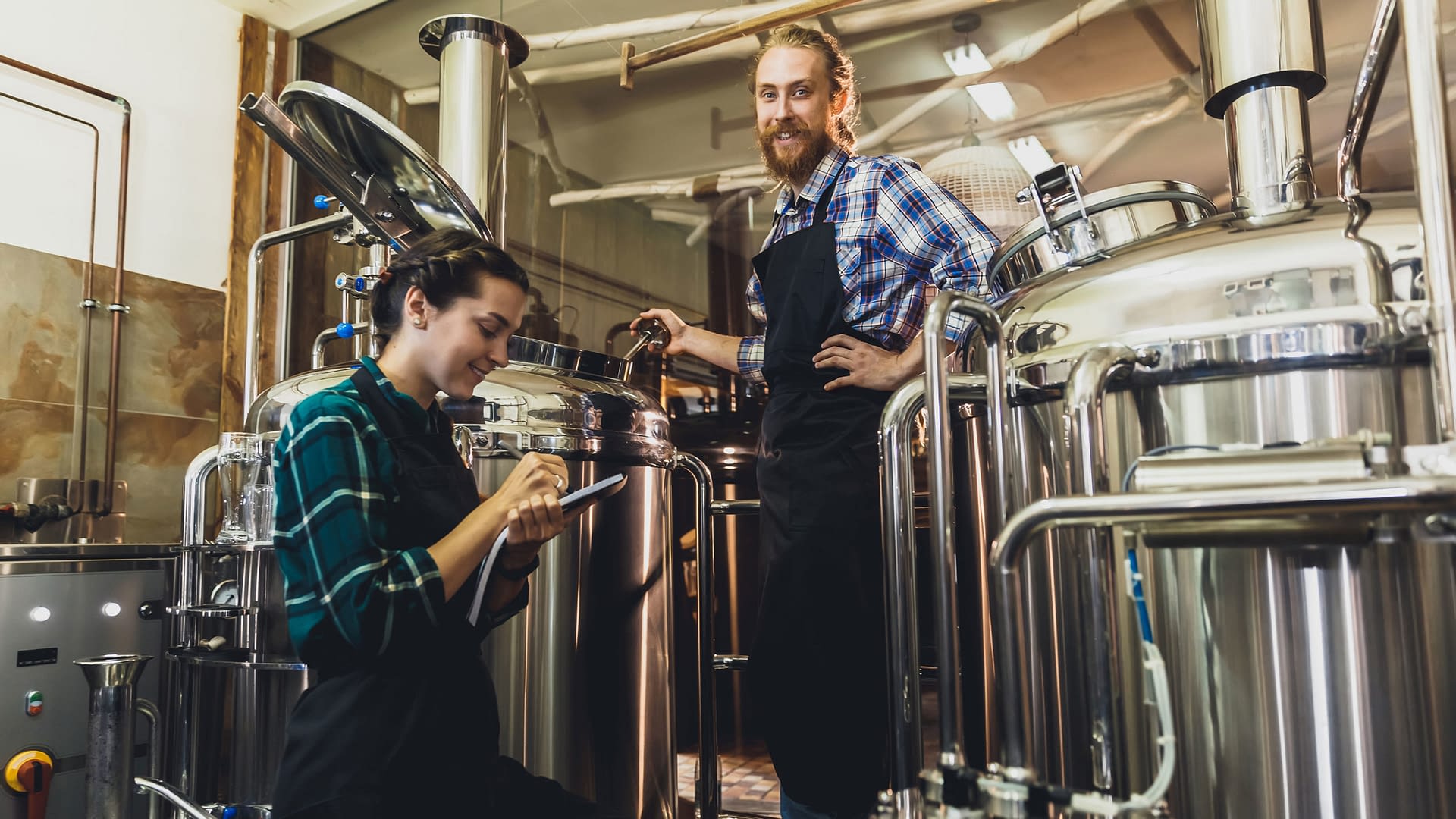
Restaurants, bars, taverns, nightclubs, caterers, event venues, breweries, wineries, taprooms, distilleries, package stores, and special-event operators may all have alcohol-related exposures. The appropriate policy depends on how alcohol is sold, served, manufactured, delivered, or furnished.
What Affects Liquor Liability Insurance Cost?
- Annual alcohol sales, total sales, and percentage of revenue from alcohol.
- Hours, seating or capacity, entertainment, dancing, and security.
- Type of alcohol, service practices, server training, and ID procedures.
- Prior claims, citations, license history, and length of time in business.
- Requested limits, deductibles, endorsements, and contractual requirements.
Information to Gather for a Liquor Liability Quote
Prepare the liquor license, food and alcohol sales, hours, capacity, entertainment details, security practices, server-training information, current policies, requested limits, contracts, and loss runs. Restaurants should review liquor liability as part of a broader restaurant and bar insurance program.
Independent Liquor Liability Help
CGM serves businesses through our Atlanta, Georgia office and Riverside, California office. State rules and coverage availability vary, so each operation should be reviewed individually.
Request a Liquor Liability Quote
Liquor Liability Insurance FAQs
Is liquor liability included in general liability insurance?
Businesses that manufacture, sell, serve, or furnish alcohol should not assume their general liability policy covers liquor-related claims. Policy exclusions, endorsements, business operations, and state requirements must be reviewed.
Who should consider liquor liability insurance?
Restaurants, bars, taverns, caterers, breweries, wineries, taprooms, event venues, package stores, and other businesses involved in selling, serving, manufacturing, or furnishing alcohol should review the exposure.
Does liquor liability automatically cover assault and battery claims?
No. Assault-and-battery coverage may be limited, excluded, or subject to separate terms. Security practices, entertainment, prior incidents, and the requested coverage should be discussed with the agent and carrier.
What affects liquor liability insurance pricing?
Factors can include alcohol sales, total sales, hours, seating or capacity, entertainment, security, server training, prior claims, policy limits, deductibles, and the type of operation.
This page provides general insurance information, not legal advice. Availability, eligibility, requirements, terms, exclusions, and pricing vary by policy, carrier, and state.